Selling Land to a Developer in Oregon | Sell Oregon Land

Selling Land to a Developer in Oregon
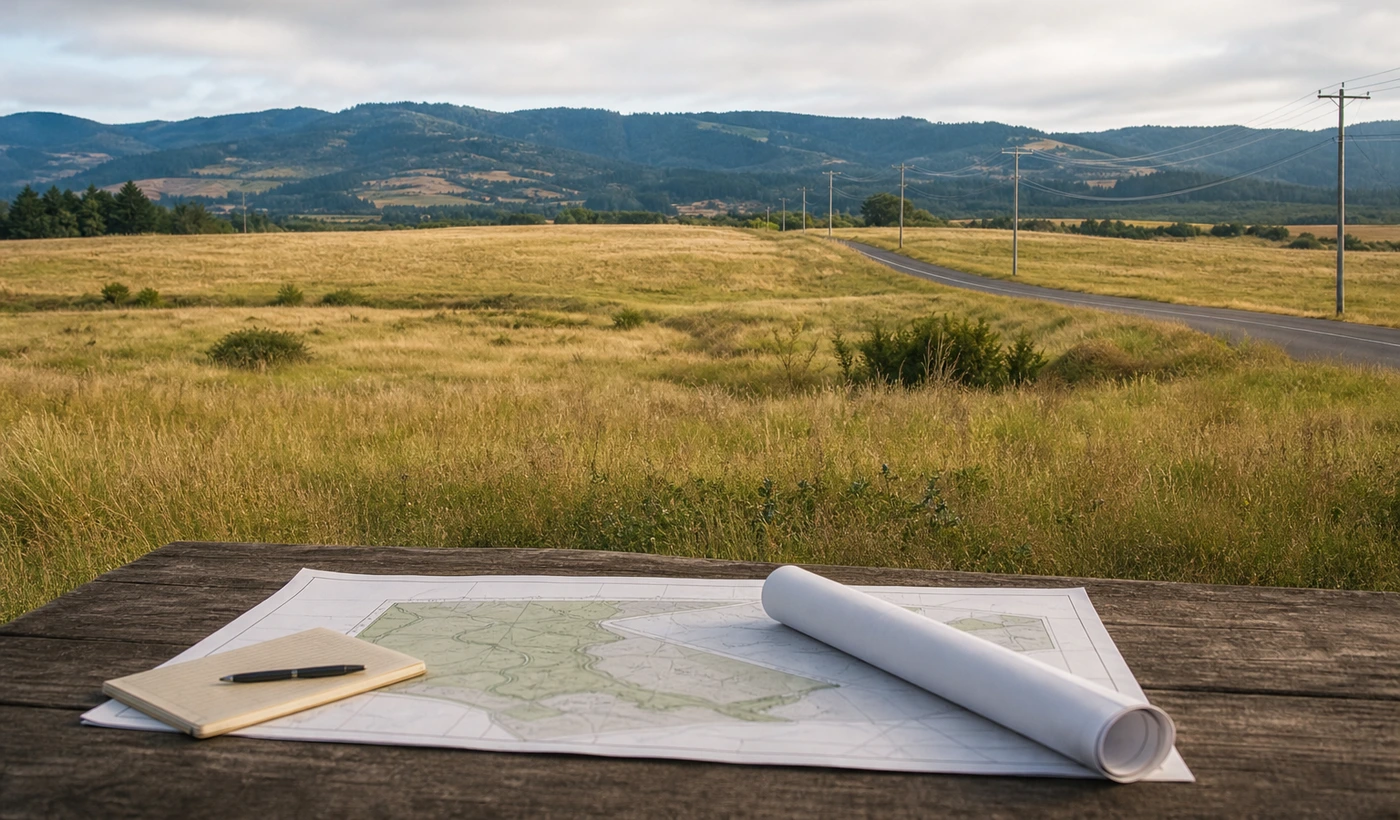
Selling Land to a Developer in Oregon: What Owners Should Know

Developers evaluate land differently from typical buyers. They look at zoning, access, utilities, frontage, wetlands, buildable area, municipal approval risk, and how long permits may take. That due diligence can create a long timeline.

Some parcels fit developers well. Others are better suited for a direct land buyer who can close based on current conditions. The right path depends on the parcel and your timeline.

If you speak with a developer, ask whether the offer depends on approvals, engineering, financing, or buyer partners. A higher price with many contingencies may not be better than a clean cash offer.

When a Direct Cash Offer Makes Sense
Selling Land to a Developer in Oregon land guide

A direct cash offer may make sense when you want a simpler process, live outside the area, inherited a parcel, are tired of taxes, or own land with access, title, wetland, or marketability questions. The goal is to understand the net result and timeline before committing.

How to Compare Your Options

Selling Land to a Developer in Oregon land sale review

Compare the expected net proceeds, estimated time to close, closing cost responsibility, buyer contingencies, and how much work you will need to do. A higher uncertain offer is not always better than a clean offer with a predictable closing path.

Questions to Ask Before You Sell
Selling Land to a Developer in Oregon closing checklist
  • Who is paying closing costs?
  • Is the buyer using cash or financing?
  • What happens if title work finds a lien or ownership issue?
  • Can I close remotely if I live outside Oregon?
  • How long will the offer remain open?

Frequently Asked Questions

Can I request an offer after reading about selling land to a developer in oregon?

Yes. Send the parcel details through the form and we will review the land for a no-obligation cash offer.

Do I need every document before asking for an offer?

No. Start with the parcel location, owner name, and anything you know. More documents can be gathered during title review.

Selling Land To A Developer Checklist for Oregon Landowners

This support note keeps the guide specific to Oregon landowners while reinforcing practical owner guidance for selling land to a developer. It is not legal, tax, or broker advice.

Detailed land-offer review factors used for this page

Cash Offer, Title, and Closing Review

Oregon Land Sale Documents and Local Factors

A purchase land conversation should cover proof of funds, purchase agreement timing, title company coordination, and whether closing depends on lender approval. Oregon owners considering help you sell land should weigh speed, certainty, and as-is convenience against waiting for a retail buyer with financing contingencies. potential land is one of the signals we use to explain the sale path in plain language before an owner decides what to do next. For Oregon sellers, real estate market should be reviewed as land first, not priced like a finished house with easy mortgage financing.

The value of property owners often depends on buyer use, buildability, survey confidence, carrying costs, and how similar parcels have sold nearby. land to developers is one of the signals we use to explain the sale path in plain language before an owner decides what to do next. With commercial real estate market, our review looks at road frontage, wetlands, zoning, tax card notes, timber or field value, and recent comparable land sales. Before accepting selling process, check whether the offer accounts for road frontage, wetlands, utilities, back taxes, heir signatures, and closing costs.

For development projects, a careful review helps the seller understand title status, parcel limitations, buyer timeline, and net closing proceeds. A seller asking about negotiation should receive a clear explanation of the offer, the closing process, and any records the title company needs. Before accepting selling to a developer, check whether the offer accounts for road frontage, wetlands, utilities, back taxes, heir signatures, and closing costs. For developers might, a careful review helps the seller understand title status, parcel limitations, buyer timeline, and net closing proceeds.

A seller asking about zoning regulations should receive a clear explanation of the offer, the closing process, and any records the title company needs. Oregon landowners searching around real estate development usually need practical answers about documents, closing dates, tax items, and whether the parcel can sell as-is. The many developers details should be checked before an Oregon landowner accepts a direct offer or signs a purchase agreement. With vacant land, our review looks at road frontage, wetlands, zoning, tax card notes, timber or field value, and recent comparable land sales.

The developers want to avoid details should be checked before an Oregon landowner accepts a direct offer or signs a purchase agreement. Before accepting closing statement, check whether the offer accounts for road frontage, wetlands, utilities, back taxes, heir signatures, and closing costs. For access to utilities, a careful review helps the seller understand title status, parcel limitations, buyer timeline, and net closing proceeds. The value of agricultural land often depends on buyer use, buildability, survey confidence, carrying costs, and how similar parcels have sold nearby.

For land to developers in texas, a careful review helps the seller understand title status, parcel limitations, buyer timeline, and net closing proceeds. developer would is one of the signals we use to explain the sale path in plain language before an owner decides what to do next. For Oregon sellers, market your land should be reviewed as land first, not priced like a finished house with easy mortgage financing. For Oregon sellers, residential and commercial should be reviewed as land first, not priced like a finished house with easy mortgage financing.

The phrase real estate developer matters because landowners often want a direct option that avoids repeated showings, uncertain financing, and open-ended agent timelines. The value of listing your property often depends on buyer use, buildability, survey confidence, carrying costs, and how similar parcels have sold nearby. For Oregon sellers, market value should be reviewed as land first, not priced like a finished house with easy mortgage financing. A buy land conversation should cover proof of funds, purchase agreement timing, title company coordination, and whether closing depends on lender approval.

With properties in your area, our review looks at road frontage, wetlands, zoning, tax card notes, timber or field value, and recent comparable land sales. money on the table is one of the signals we use to explain the sale path in plain language before an owner decides what to do next. For sell your land, the useful comparison is the net amount after taxes, title fees, recording costs, cleanup, and the time saved by avoiding a long retail listing. For rezoning, a careful review helps the seller understand title status, parcel limitations, buyer timeline, and net closing proceeds.

Oregon owners considering sale of your property should weigh speed, certainty, and as-is convenience against waiting for a retail buyer with financing contingencies. For selling their property, the useful comparison is the net amount after taxes, title fees, recording costs, cleanup, and the time saved by avoiding a long retail listing. plot of land is one of the signals we use to explain the sale path in plain language before an owner decides what to do next. owning land is one of the signals we use to explain the sale path in plain language before an owner decides what to do next.

Oregon landowners searching around real estate professional usually need practical answers about documents, closing dates, tax items, and whether the parcel can sell as-is. The zoning and land use details should be checked before an Oregon landowner accepts a direct offer or signs a purchase agreement. The value of property's often depends on buyer use, buildability, survey confidence, carrying costs, and how similar parcels have sold nearby. A direct sale connected to real estate attorney should still give the owner time to compare options and ask questions before committing.

Oregon owners considering sell or lease should weigh speed, certainty, and as-is convenience against waiting for a retail buyer with financing contingencies. Oregon landowners searching around estate agents usually need practical answers about documents, closing dates, tax items, and whether the parcel can sell as-is. For sell land to developers, the useful comparison is the net amount after taxes, title fees, recording costs, cleanup, and the time saved by avoiding a long retail listing. For Oregon sellers, current market should be reviewed as land first, not priced like a finished house with easy mortgage financing.

For sell land to a developer, the useful comparison is the net amount after taxes, title fees, recording costs, cleanup, and the time saved by avoiding a long retail listing. Oregon owners considering land up for sale should weigh speed, certainty, and as-is convenience against waiting for a retail buyer with financing contingencies. For zone, a careful review helps the seller understand title status, parcel limitations, buyer timeline, and net closing proceeds. A seller asking about potential developers should receive a clear explanation of the offer, the closing process, and any records the title company needs.

market trends can require extra attention to access, deed restrictions, seasonal roads, utility distance, boundary questions, and municipal records. A seller asking about land developer should receive a clear explanation of the offer, the closing process, and any records the title company needs. The environmental conditions details should be checked before an Oregon landowner accepts a direct offer or signs a purchase agreement. land value is one of the signals we use to explain the sale path in plain language before an owner decides what to do next.

A seller asking about land development should receive a clear explanation of the offer, the closing process, and any records the title company needs. Oregon owners considering want to sell should weigh speed, certainty, and as-is convenience against waiting for a retail buyer with financing contingencies. vacant can require extra attention to access, deed restrictions, seasonal roads, utility distance, boundary questions, and municipal records. A seller asking about land details should receive a clear explanation of the offer, the closing process, and any records the title company needs.

Oregon owners considering landowners looking to sell should weigh speed, certainty, and as-is convenience against waiting for a retail buyer with financing contingencies. developers often is one of the signals we use to explain the sale path in plain language before an owner decides what to do next. Before accepting process of selling, check whether the offer accounts for road frontage, wetlands, utilities, back taxes, heir signatures, and closing costs. A clear may want to sell plan should explain when the title company opens escrow, which documents are needed, and how quickly the seller can approve terms.

A clear sale of land plan should explain when the title company opens escrow, which documents are needed, and how quickly the seller can approve terms. For sell my land, the useful comparison is the net amount after taxes, title fees, recording costs, cleanup, and the time saved by avoiding a long retail listing. For sale process, the useful comparison is the net amount after taxes, title fees, recording costs, cleanup, and the time saved by avoiding a long retail listing. For texas landowners, a careful review helps the seller understand title status, parcel limitations, buyer timeline, and net closing proceeds.

The developer details should be checked before an Oregon landowner accepts a direct offer or signs a purchase agreement. Oregon owners considering consider when selling land should weigh speed, certainty, and as-is convenience against waiting for a retail buyer with financing contingencies. For utility, a careful review helps the seller understand title status, parcel limitations, buyer timeline, and net closing proceeds. value of your land is one of the signals we use to explain the sale path in plain language before an owner decides what to do next.

A seller asking about potential for development should receive a clear explanation of the offer, the closing process, and any records the title company needs. The developers want details should be checked before an Oregon landowner accepts a direct offer or signs a purchase agreement. With current market trends, our review looks at road frontage, wetlands, zoning, tax card notes, timber or field value, and recent comparable land sales. The value of property online often depends on buyer use, buildability, survey confidence, carrying costs, and how similar parcels have sold nearby.

The piece of land details should be checked before an Oregon landowner accepts a direct offer or signs a purchase agreement. For land’s value, a careful review helps the seller understand title status, parcel limitations, buyer timeline, and net closing proceeds. For developers are looking, a careful review helps the seller understand title status, parcel limitations, buyer timeline, and net closing proceeds. raw land can require extra attention to access, deed restrictions, seasonal roads, utility distance, boundary questions, and municipal records.

Oregon landowners searching around real estate agent usually need practical answers about documents, closing dates, tax items, and whether the parcel can sell as-is. For mixed-use, a careful review helps the seller understand title status, parcel limitations, buyer timeline, and net closing proceeds. With value of your property, our review looks at road frontage, wetlands, zoning, tax card notes, timber or field value, and recent comparable land sales. A clear process of selling land plan should explain when the title company opens escrow, which documents are needed, and how quickly the seller can approve terms.

Need to sell your Oregon land? We buy land directly from owners for cash, with no fees, no commissions, and we close in as little as 2 weeks.